
Busy Buses is a game created by children, for children. It’s a school project which really helped the children work together to create something amazing. It’s also available to buy.
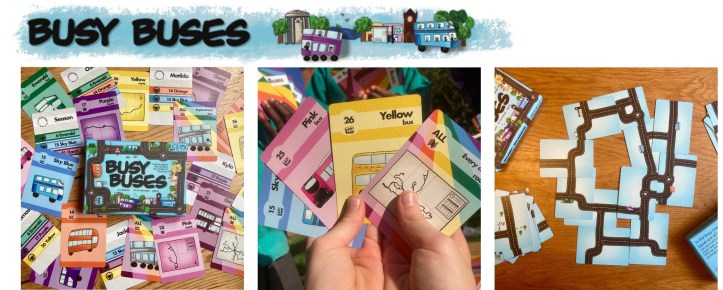
In 2024 I spent several afternoons with Year 5 (children age 9-10). We played games together, then talked about possible themes for a game. They told me what they liked from other games, and what made sense to them. I have pages and pages of notes in 30 different handwritings, all considering what the game should be called.
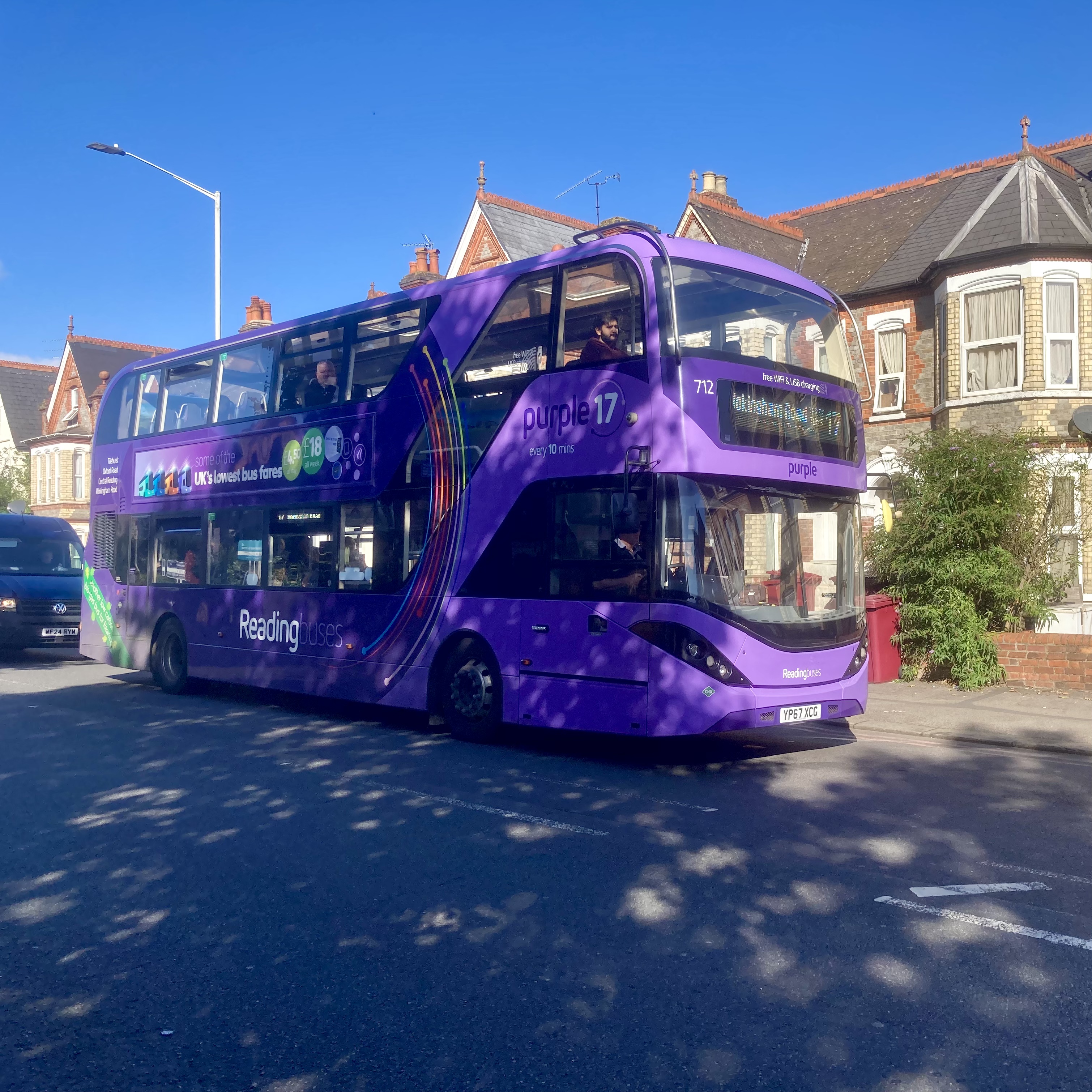
We chose buses because in Reading the buses are colour-coded by route. Yes, the 17 really is purple! And the 26 is yellow! There are far more than just the seven routes featured in the game — in fact, so many that some buses are even named after animals. We spoke to Reading Buses, who very kindly agreed to support us by checking all the bus stop names and by sending us the correct colour codes for all the buses.

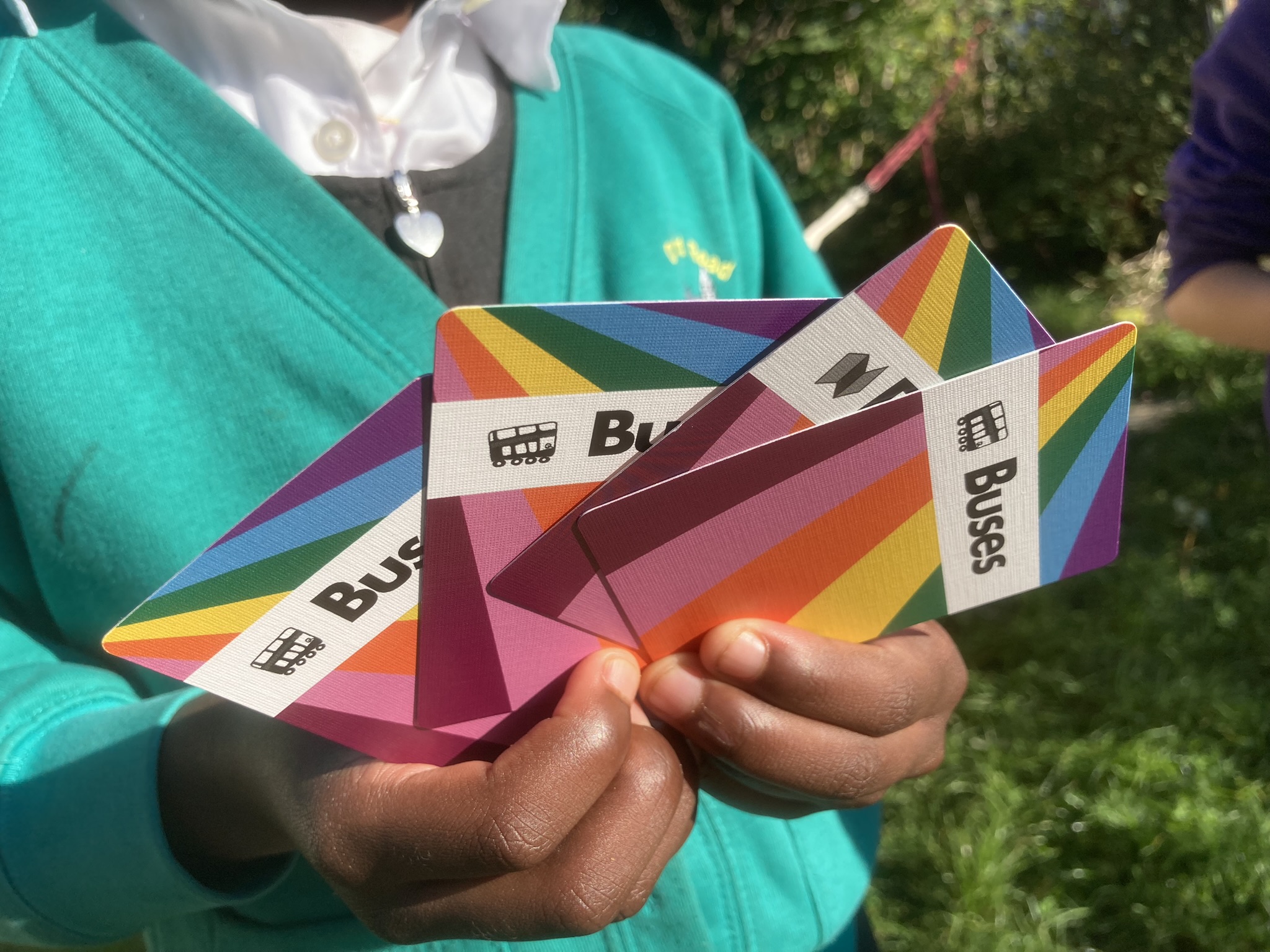
In Busy Buses you and your fellow players are new trainees learning to co-ordinate the buses in Reading. You have a depot full of brightly painted buses, a large stack of routes, and your driver colleagues. Each bus card shows one of the seven different colours or a rainbow replacement bus (wild card). Each route card is one of the seven routes or the big map of everything (wild card). Each driver can drive three different routes — but there are no wild cards because all the drivers are very careful. On the able in front of you are four different bus stops, at which passengers are waiting. You collect passengers by matching a bus card, a route card, and a driver card to the colour on the passenger card. The player with the most passengers at the end of the game wins.
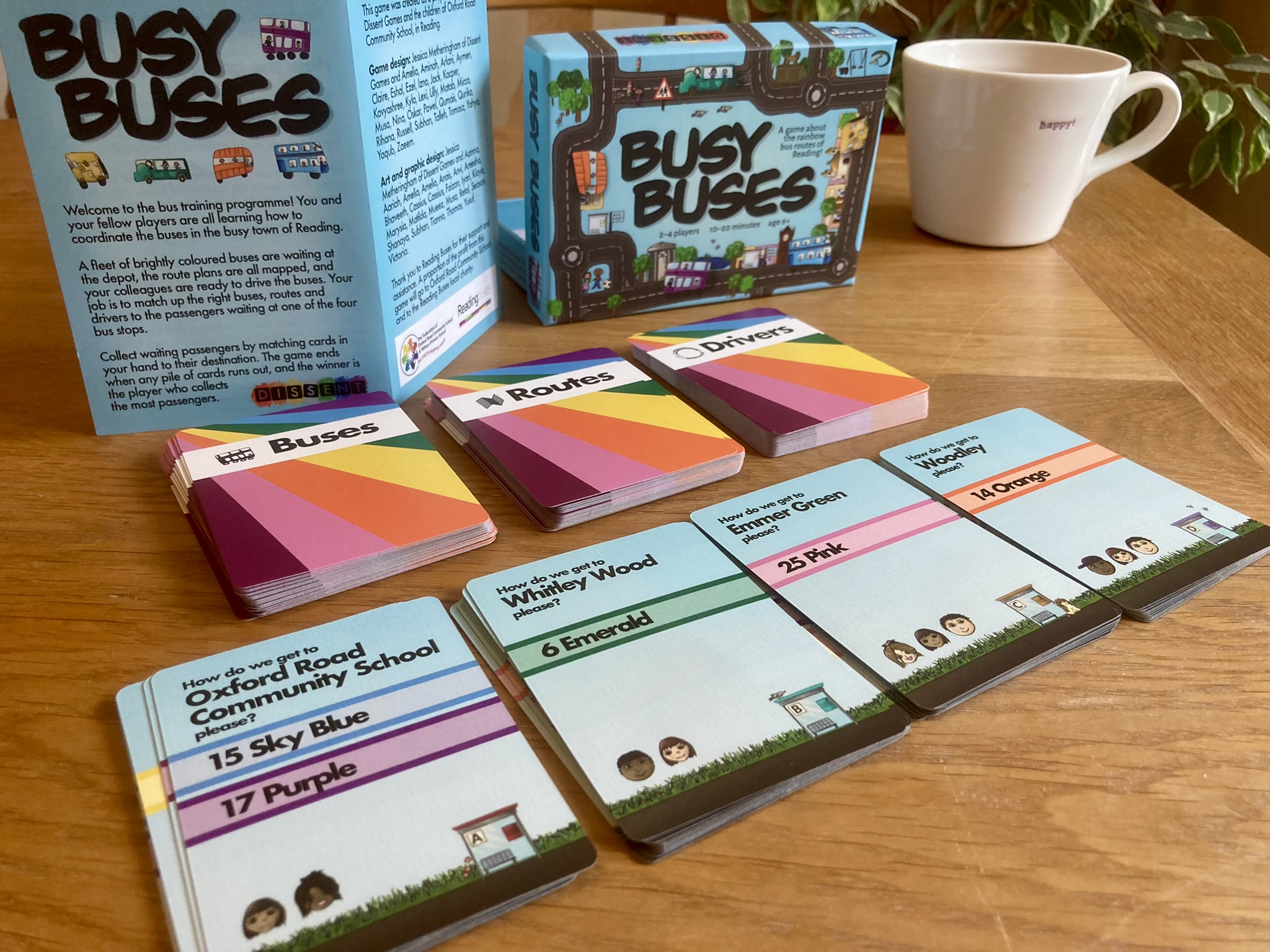

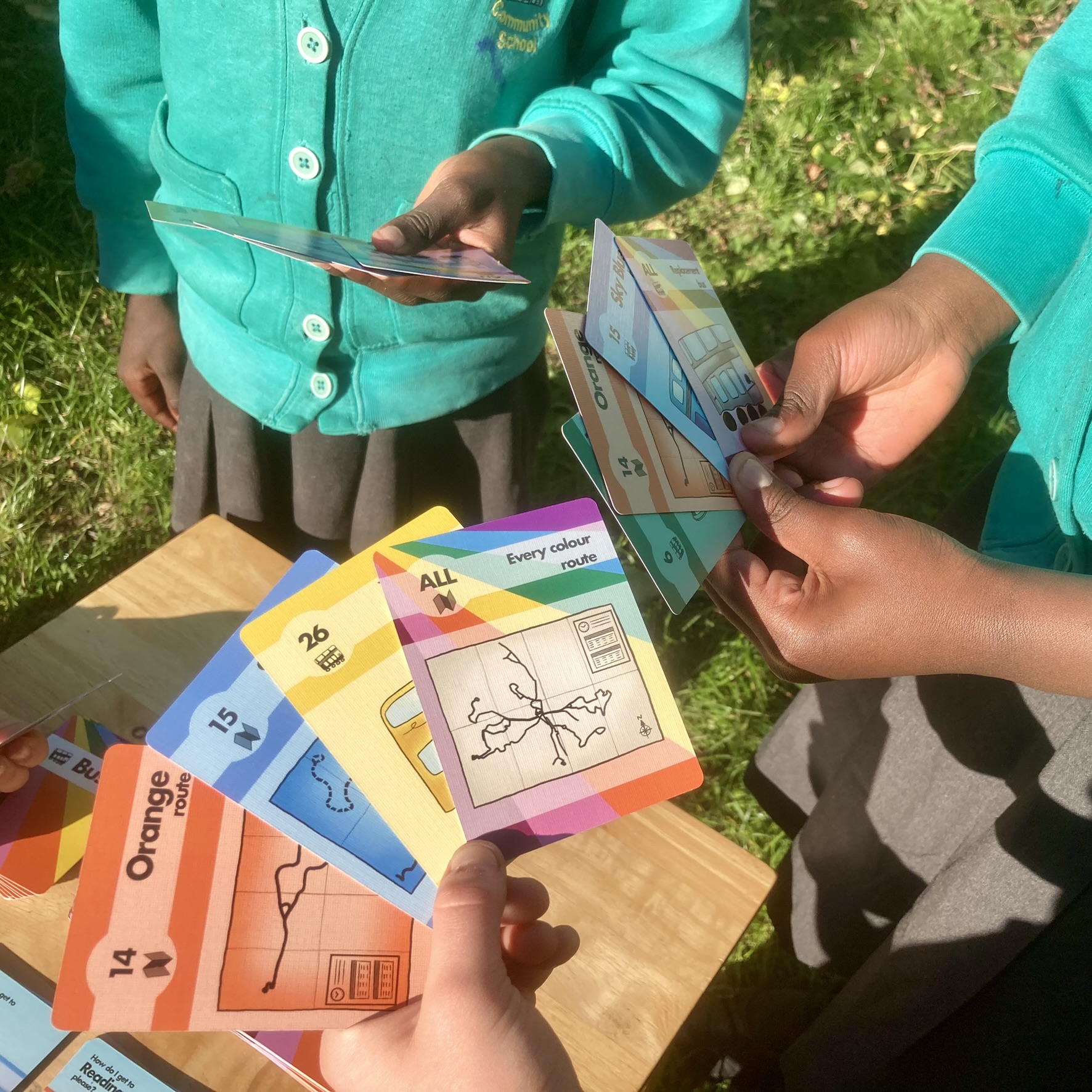

At its heart, this is a simple game. Collect the cards, match the cards, pick up passengers. However, players can pick up multiple passengers, so sometimes it’s worth waiting around, especially in a two player game. Players can also pick up an additional card by discarding matching cards in their hand, which could be a risky strategy, especially if you can’t remember what has already been discarded. In short, this is primarily aimed at children aged between 6 and 12 years old, but with enough interest to capture the interest of adults too!
 Dissent